

Hand Stretch Film vs Machine Film: Which Saves More Cost?
Release time: 2025-12-23
Table of Contents
Stretch film plays a critical role in pallet wrapping and load stabilization across logistics, warehousing, and manufacturing operations. When choosing between hand stretch film and machine stretch film, cost is often the deciding factor. However, the true cost difference goes beyond the price per roll. Understanding labor, material usage, efficiency, and operational scale is essential to determine which option offers better long-term savings.
1. Initial Material Cost Comparison
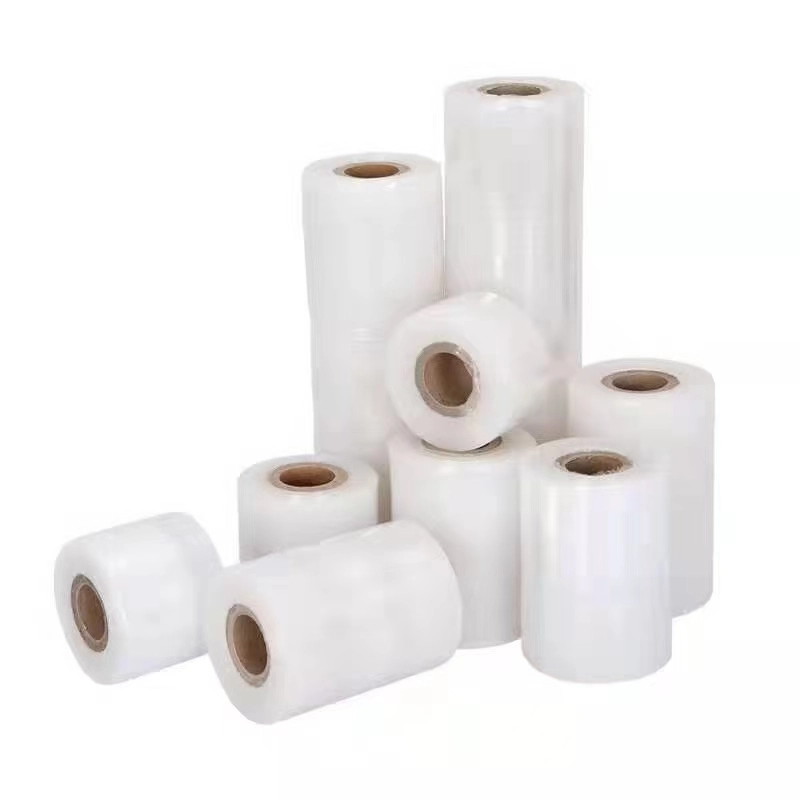
At first glance, hand stretch film appears to be the more economical choice. It typically has a lower purchase price and does not require additional equipment. This makes it attractive for small businesses, warehouses with low pallet volume, or operations with limited budgets.
Machine stretch film usually costs more per roll, but it is designed for higher stretch ratios and consistent application. Although the upfront material cost is higher, its performance characteristics can reduce overall film consumption when used correctly.
2. Labor Cost and Productivity
Labor is one of the most significant hidden costs in pallet wrapping. Manual wrapping with hand stretch film is labor-intensive and time-consuming. As pallet volume increases, the cost of labor quickly outweighs the savings from lower film prices.
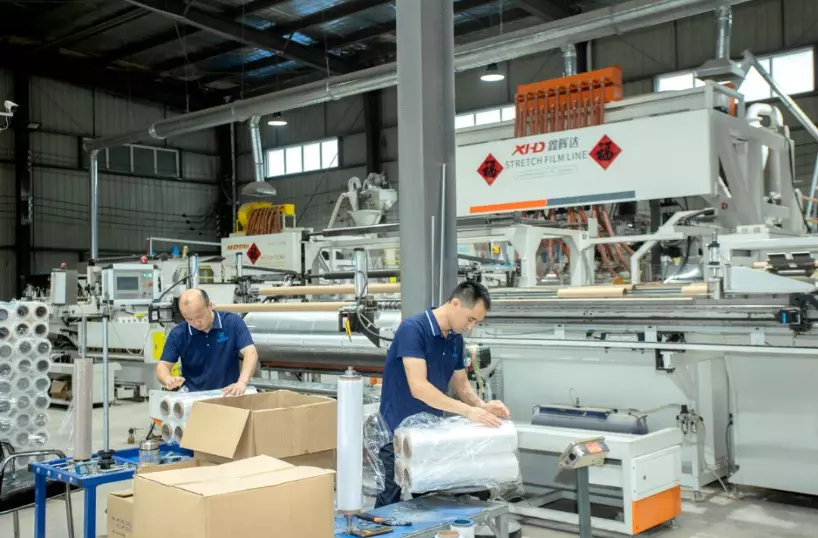
Machine stretch film, when used with a stretch wrapping machine, significantly reduces labor time. One operator can wrap more pallets in less time with consistent results. For medium to high-volume operations, the reduction in labor cost often makes machine film the more cost-effective solution.
3. Film Usage and Material Efficiency
Hand stretch film generally has a lower stretch ratio, which means more material is needed to secure each pallet. Inconsistent tension during manual wrapping can also lead to overuse or under-wrapping, both of which increase costs through waste or load damage.
Machine stretch film is engineered for controlled pre-stretching, allowing it to cover more pallets with less film. This improved efficiency reduces material waste and ensures uniform load containment, contributing to long-term cost savings.
4. Equipment Investment and Maintenance
One disadvantage of machine stretch film is the initial investment in wrapping equipment. Stretch wrapping machines require capital expenditure, routine maintenance, and operator training. For businesses with low pallet throughput, this investment may not be justifiable.
Hand stretch film requires no machinery, making it ideal for operations that wrap pallets occasionally or have limited space. In these cases, avoiding equipment costs helps keep overall expenses lower.
5. Load Stability and Damage Reduction
Poorly wrapped pallets can result in product damage during transport, leading to financial losses that are often overlooked in cost calculations. Manual wrapping variability increases the risk of unstable loads, especially for heavy or irregular shipments.
Machine wrapping delivers consistent tension and coverage, reducing the likelihood of load shifting and transit damage. Fewer damaged goods mean lower replacement and return costs, further improving cost efficiency.
Which Option Saves More Cost?
The answer depends largely on operational scale. Hand stretch film is more cost-effective for small operations, low pallet volumes, or businesses with flexible wrapping needs. Machine stretch film becomes the better choice as volume increases, labor costs rise, and consistency becomes critical.
Conclusion
When comparing hand stretch film vs machine film, cost savings should be evaluated from a total operational perspective rather than material price alone. Hand stretch film offers lower upfront costs and flexibility, while machine stretch film provides long-term savings through labor efficiency, material optimization, and reduced product damage. Choosing the right option ensures not only cost control but also safer and more reliable packaging operations.